

Every living organism follows an internal clock. In humans, this biological timing system is known as circadian rhythm. While many people are familiar with circadian rhythm and its influence on sleep, modern research shows that this important temporal regulator impacts nearly every aspect of human health. The biphasic cycle is a roughly 24-hour physiologic sequence that repeats daily and mediates everything from sleep, hormones, and metabolism; to body temperature, mood, immune function, and digestion.
As modern lifestyles are now increasingly involving artificial lighting, screen exposure, irregular schedules, and shift work; disruptions to circadian rhythms have become more common. Understanding how this system works can help to improve energy, mental clarity, metabolic function, cardiovascular health, and long-term wellness.
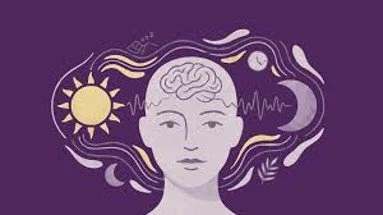
Circadian rhythm is the body’s natural timing mechanism that helps coordinate physiological processes according to the day-night cycle. The term comes from the Latin words circa (“around”) and diem (“day”). At the epicenter of this system is a small region in the brain called the suprachiasmatic nucleus (SCN). This area consists of a small cluster of cells located in the brain’s hypothalamus. The SCN acts as the body’s master clock, receiving signals from light entering the eyes and synchronizing bodily functions accordingly.
During daylight hours, as the eyes and skin are exposed to natural sunlight, the body produces cortisol. Exposure to natural light in the morning primes the body for alertness, movement, digestion, and cognitive performance. As darkness approaches, the brain increases production of the hormone melatonin, signaling the body to prepare for rest and cellular repair.
How Circadian Rhythm Affects the Body:
Sleep and Energy
The most obvious role of circadian rhythm is sleep regulation. A healthy rhythm supports:
• Faster sleep onset
• Deeper sleep quality
• Better daytime energy
• Improved mental focus
When the circadian clock is disrupted, sleep becomes fragmented and less restorative. This can lead to fatigue, irritability, and reduced cognitive performance (brain fog).
Irregular sleep schedules, late-night screen exposure, and frequent time zone changes can all interfere with the body’s natural timing system.
Mental Health and Mood
Circadian rhythms strongly influence emotional well-being. Research has linked disrupted sleep-wake cycles to:
• Anxiety
• Depression
• Bipolar disorder
• Seasonal affective disorder (SAD)
The brain relies on stable rhythms to regulate neurotransmitters such as serotonin and dopamine. Chronic circadian disruption may impair emotional regulation and increase stress levels. People who maintain consistent sleep and wake times often experience better mood stability and resilience.
Metabolism and Weight Management
The body’s internal clock also regulates metabolism, insulin sensitivity, and digestion. Studies suggest that eating late at night or maintaining inconsistent meal schedules can negatively affect metabolic health. This has been associated with:
• Weight gain
• Increased hunger
• Higher risk of obesity
• Type 2 diabetes
• Metabolic syndrome
Interestingly, the body processes food more efficiently earlier in the day which has contributed to growing interest in time-restricted eating, where meals are consumed within a consistent daytime window. For example consuming all caloric intake between 10am-6pm.
Immune Function
The immune system follows circadian patterns as well. Certain immune responses become more active during sleep, which helps the body recover and fight infections.
Poor sleep and chronic circadian disruption may weaken immunity and increase inflammation. Some research even suggests that vaccine effectiveness and medication responses may vary depending on the time of day they are administered.
Heart Health
Circadian rhythms influence blood pressure, heart rate, and vascular function. People with irregular sleep patterns or night-shift schedules may face a higher risk of:
• Hypertension
• Heart disease
• Stroke
Cardiovascular events such as heart attacks also show time-of-day patterns, often occurring more frequently in the early morning hours.

Common Causes of Circadian Disruption:
Modern life presents many challenges to the body’s internal clock. Common disruptors include:
• Excessive screen time before bed
• Shift work or overnight schedules
• Jet lag
• Irregular sleep patterns
• Artificial light exposure at night
• Chronic stress
• Lack of daylight/sunlight exposure
Even small disturbances, when repeated over time, can affect sleep quality and overall health.
Signs Your Circadian Rhythm May Be Off:
Some common symptoms include:
• Difficulty falling asleep
• Waking up tired
• Afternoon energy crashes
• Brain fog
• Mood swings
• Increased cravings late at night
• Trouble concentrating
Persistent symptoms may indicate chronic circadian disruption.
How to Support a Healthy Circadian Rhythm:
· Maintain a consistent sleep schedule - Going to bed and waking up at the same time every day helps reinforce the body’s natural clock.
· Get morning sunlight - Exposure to natural light early in the day is one of the strongest signals for circadian alignment. Even 15–30 minutes of morning sunlight can help regulate melatonin production.
· Limit blue light at night - Phones, tablets, and computers emit blue light that can suppress melatonin. Reducing screen use before bedtime may improve sleep quality.
· Create a sleep friendly environment - A cool, dark, and quiet bedroom supports better rest. Blackout curtains and limiting noise can help maintain deeper sleep cycles.
· Time meals wisely - Eating meals at consistent times, especially avoiding heavy late night eating may support metabolic health and circadian stability.
· Exercise regularly - Physical activity improves sleep quality and supports circadian regulation, especially when performed earlier in the day.
The Future of Circadian Medicine:
Scientists are increasingly exploring the role of circadian timing in medicine. The emerging field of chronobiology examines how biological rhythms affect health and disease.
Researchers are studying:
• Optimal timing for medications
• Circadian-based cancer treatments
• Sleep interventions for mental health
• Personalized schedules for peak performance
As understanding grows, circadian medicine may become an important part of preventive healthcare.
Circadian rhythm is far more than a sleep schedule. It is a foundational system that influences nearly every aspect of physical and mental health. In a world filled with artificial light, busy schedules, and constant stimulation, protecting circadian health has become increasingly important.
References:
Adafer R, Messaadi W, Meddahi M, et al. Food Timing, Circadian Rhythm and Chrononutrition: A Systematic Review of Time-Restricted Eating's Effects on Human Health. Nutrients. 2020;12(12):3770. Published 2020 Dec 8. doi:10.3390/nu12123770
Fishbein AB, Knutson KL, Zee PC. Circadian disruption and human health. J Clin Invest. 2021;131(19):e148286. doi:10.1172/JCI148286
Khezri MR, Panah SM, Ghasemnejad-Berenji M, et al. The interplay between circadian rhythm components and apoptosis in health and disease. Hum Cell. 2026;39(2):41. Published 2026 Jan 31. doi:10.1007/s13577-026-01351-x
Roenneberg T, Foster RG, Klerman EB. The circadian system, sleep, and the health/disease balance: a conceptual review. J Sleep Res. 2022;31(4):e13621. doi:10.1111/jsr.13621
Walker WH 2nd, Walton JC, DeVries AC, Nelson RJ. Circadian rhythm disruption and mental health. Transl Psychiatry. 2020;10(1):28. Published 2020 Jan 23. doi:10.1038/s41398-020-0694-0